



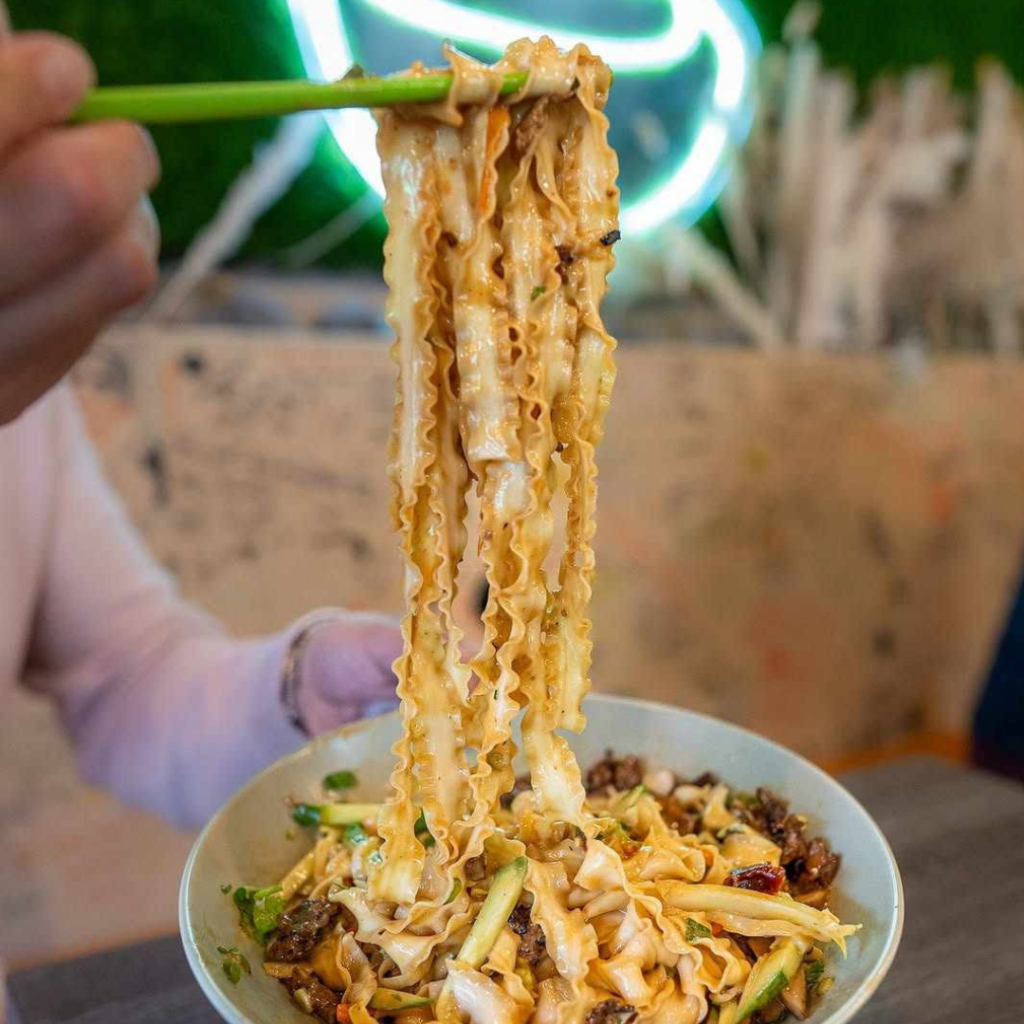
The noodles simplicity has made it into a beloved staple in many countries around the world. Whether it’s that package of instant ramen ever-present in many a college student’s dorm room or crunchy vermicelli with rice at a Mediterranean eatery, there’s a noodle for any occasion.
Story by Lailani Mendoza-Lai
A slurpable history
Noodles, made from unleavened dough and rolled or extruded into long strips or made into different shapes, are quite possibly one of the earliest prepared foods. An archaeological discovery in 2005 unearthed the oldest evidence to date of noodles when a group of scientists discovered a 4,000-year-old bowl of noodles in northwestern China. The noodles, preserved in an overturned clay bowl, were made of millet. Prior to this discovery, the earliest written record of noodles was found in a book dating back from the Han Dynasty in China, between 206 BC–220 AD. These ancient records described how wheat noodles were prepared and became popular during this time.
The origins of European noodles include records from Arabic culinary history that mention “itri” or “itria” which means flour in water dough. It was rolled into thin sheets, then cut into strips. This version of noodles was made of dried wheat and could be stored for long periods making it ideal for travel. When the Arabs conquered Sicily and southern Italy, it’s quite possible that this type of dried pasta influenced pasta-making in Italy and other Mediterranean countries.
Over centuries, these simple strands were adapted into everything from Italian fettuccine to Japanese ramen, German spätzle and Arabic vermicelli – each culture layering its own broths, sauces and rituals into the same basic idea.
Know thy noodles
As a result of this multicultural collaboration, there are literally hundreds of varieties of noodles and pasta available for us to enjoy. While pasta is technically a type of noodle, the broader noodle universe is much bigger. Here’s a quick guide:
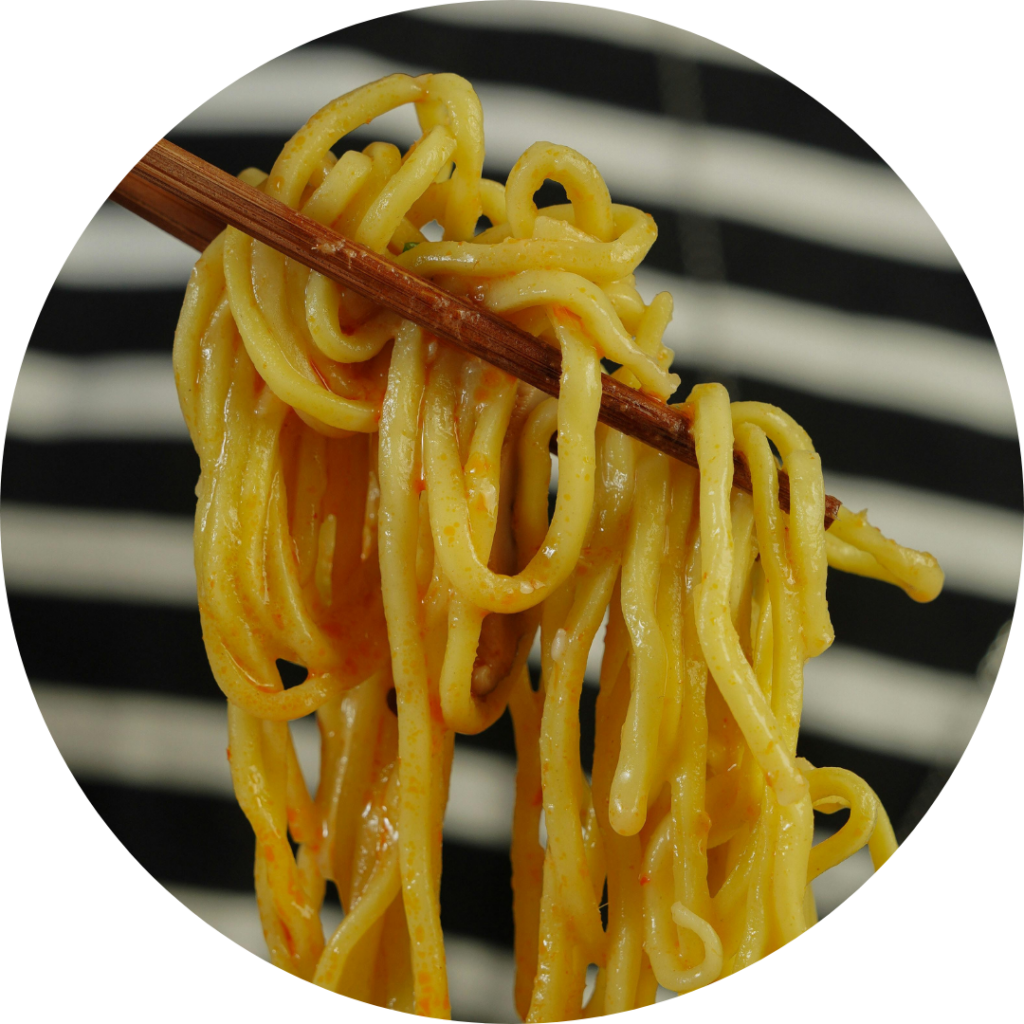
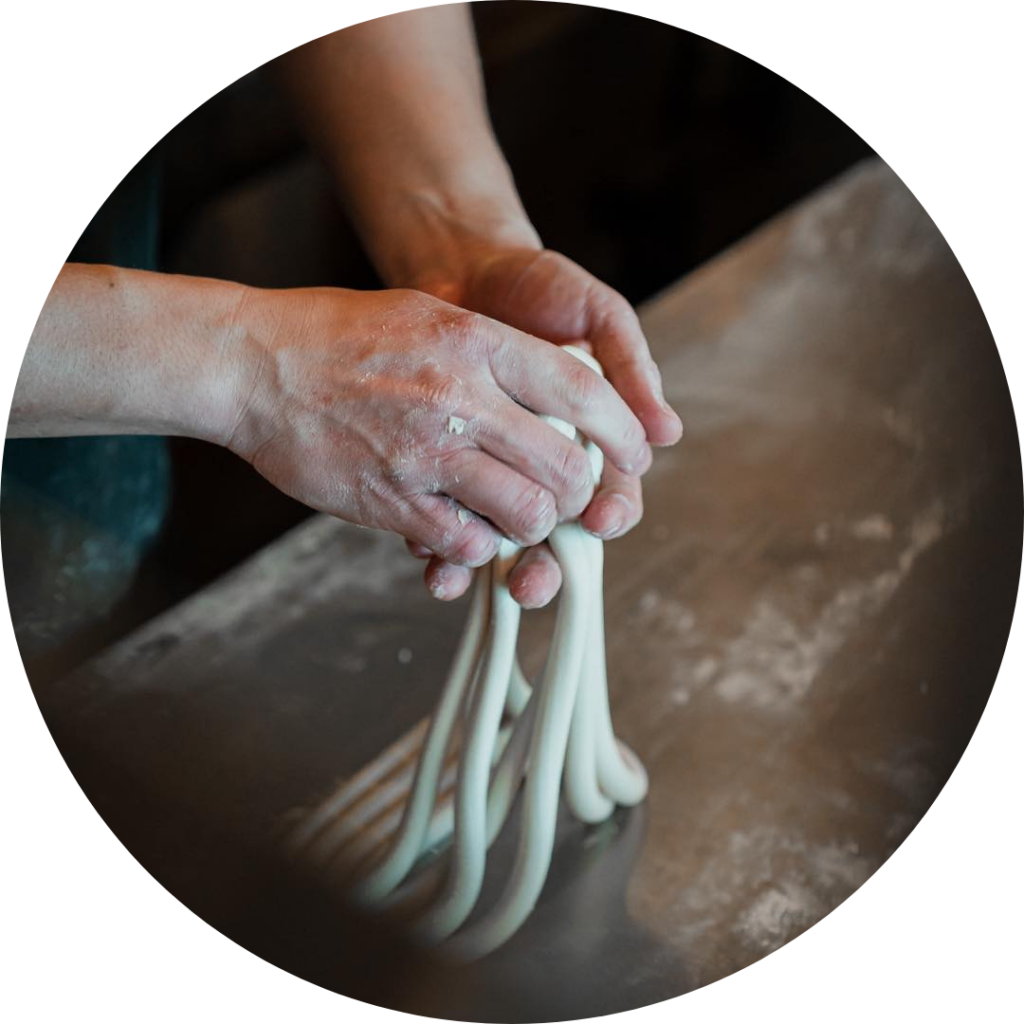
Wheat noodles. These include most Chinese noodles (including the increasingly popular lamian hand-pulled noodles), Japanese ramen, udon and many egg noodles. They’re springy and robust, ideal for sauces, hearty broths and stir-fries.
Italian pasta. Spaghetti, linguine, fettuccine and penne are all part of the same noodle family tree, made from durum wheat semolina and water, and sometimes egg. These are shaped and cooked with different sauces, some as simple as olive oil and garlic.
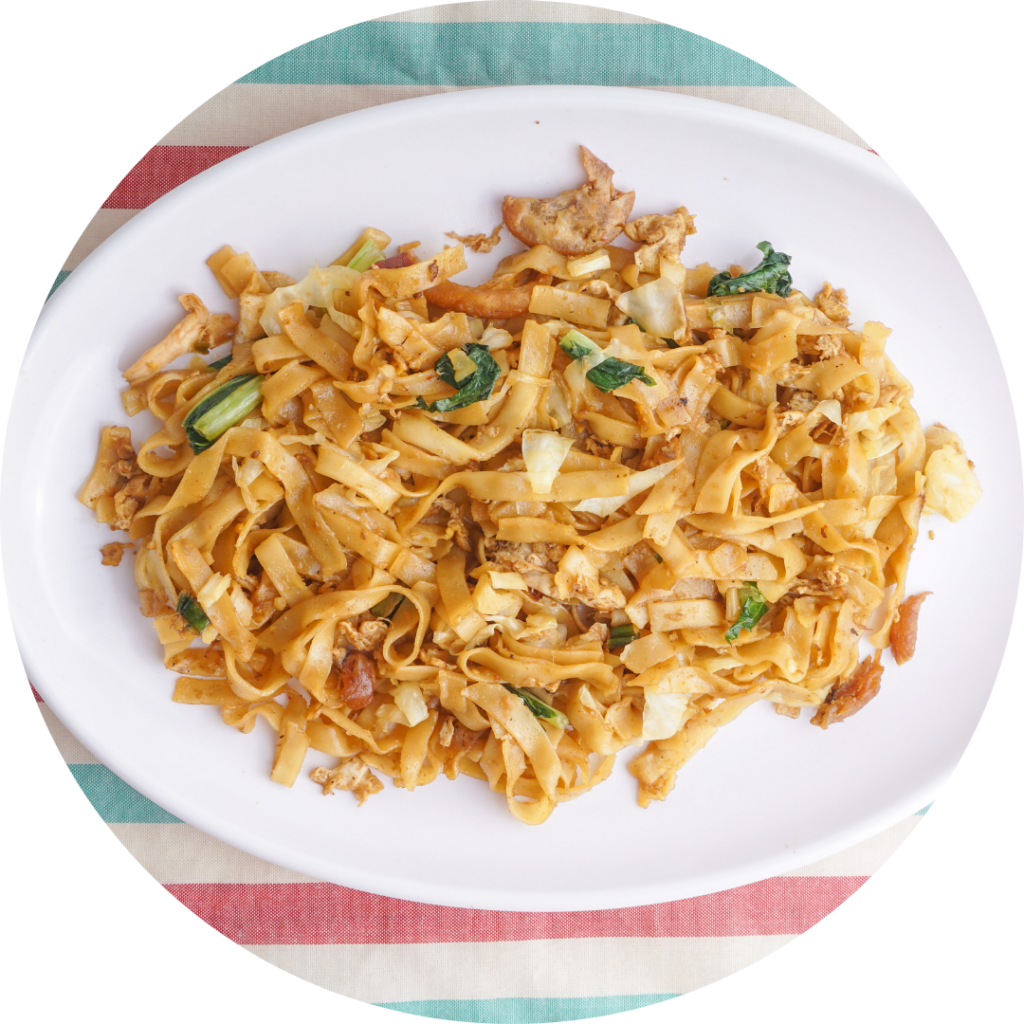
Rice noodles. Made from rice flour and water, rice noodles show up in dishes like Vietnamese pho and many Thai soups and salads. These noodles are neutral in flavour, soaking up the broth beautifully. They tend to be slippery, chewy and light – perfect for steaming bowls of pho in the winter. Kway teow is a unique type of rice noodle made of steamed sheets of rice flour dough, folded into blocks, and cut into strips.
Lokshen. Made from water, flour and eggs, rolled and cut into strips and then boiled, these Jewish egg noodles are staples in dishes like chicken noodle soup and kugel, a traditional Jewish baked pudding-like casserole.
Buckwheat noodles. Japanese soba noodles are made primarily from buckwheat flour, giving them a nutty taste and a firm, slightly grainy texture. They can be served chilled with dipping sauce in the summer or in hot broth in colder weather.
Spätzle. Found in Germany and central Europe, spätzle are soft, irregular egg noodles made from a loose dough that is pressed or scraped into boiling water, then pan-fried in butter or served under gravies and stews.
Glass noodles. These translucent strands are made from starches like mung bean or sweet potato, and vary in taste and texture depending on the ingredient. In Korea, dangmyeon is a type of glass noodle made of sweet potato starch and is often used in japchae, a stir-fry dish made of strips of beef and a mix of vegetables. The dry noodles have a dull grey hue becoming transparent, with a chewy and springy texture, when cooked.
Vermicelli. Thin wheat vermicelli is toasted and then cooked with rice as a side dish or used in sweet, syrup-soaked desserts like kunafa and various other noodle puddings. These skinny strands shine in dishes that are either sweet or savoury.
Alternative noodles. These noodles use alternative ingredients that people with various dietary preferences or restrictions can enjoy. An example would be konjac noodles, which are from the fibre of the konjac root, and are extremely low-calorie and low carb. These noodles are gelatinous, translucent, and chewy in texture. Legume-based noodles, using flours from lentils, chickpeas or edamame, are great for those wanting to increase protein and fibre in their diet.
Noods Noods Noods
Noodle Nerdery

Calgary’s Must-Try Noodle Spots
Calgary’s climate practically begs for steaming bowls and chewy strands, which might explain why the city punches above its weight in noodle comfort. A few local standouts make a great starting route:







Leave A Comment