


Korean food has become a fixture in Calgary’s dining scene, with its influence continuing to grow.
Local chefs explore what’s behind its staying power and where it goes from here.
Calgary enjoys a delicious Korean invasion
Whether it’s on your Netflix account, your kid’s YouTube feed or your neighbourhood chicken joint, you’ve probably noticed a trend: Korea is hot, hot, hot. And it’s not just the gochujang. Calgarians are gobbling up Korean culture from the slick sounds of K-pop to the wholesome love affairs of K-rom-com. According to four local chefs, the deep dive into Korean media has fueled an appetite for the country’s cuisine, resulting in a delicious cultural invasion they say is just getting started.
Necessity is the mother of kimchi: A History
Long before the sugar-dipped corn dogs and crispy fried chicken we see these days, Korea’s history of war, occupation, dynasties and colonialism shaped a culinary culture focused on making the most of what little was available.
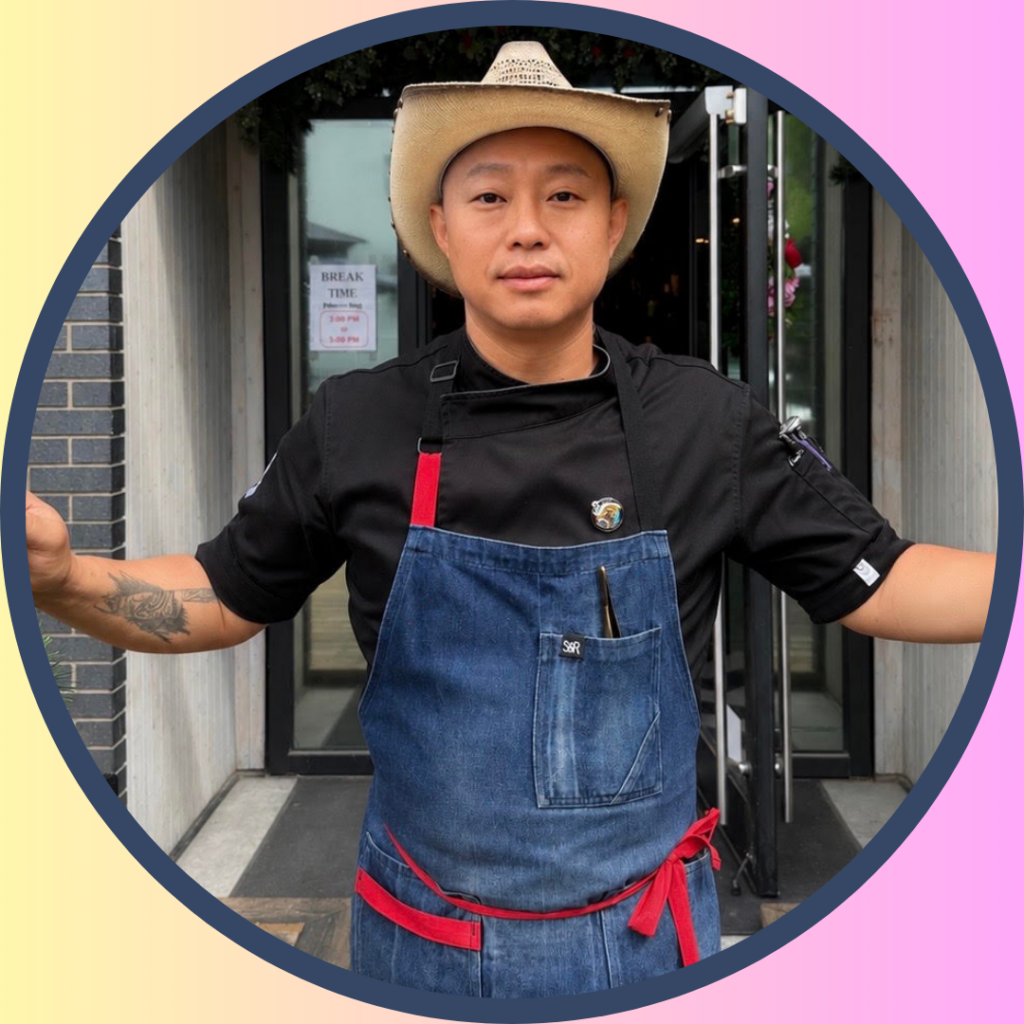
“Korea had a lot of hardships so ingredients weren’t abundant,” says Jacob Lee, chef/owner of Búl Dining Room and Bar on Calgary’s 17th Ave. “So because of the cultural history, it had to develop more on the fermentation, the sauces and all of the spices which have now come together to create today’s Korean cuisine.” The result is a masterful use of local produce and proteins, with fermentation and combination to create pickles, soups, stews and sauces.
Kimchi, perhaps Korea’s best-known side dish (banchan) is emblematic of Korea’s signature fermentation and has records going back as early as 37 BC. Though it wasn’t until Portuguese traders arrived with red chili peppers in the 17th century that the dish gained its signature spicy-red-pepper paste, gochujang. Usually based on napa cabbage and/or Korean radish, kimchi was cheap to make, stored underground in clay pots, lasted through many seasons and provided an excellent source of nutrition. And for centuries, that was the name of the game. But as colonization and globalization hit the Korean peninsula, its culture and its cuisine began to evolve.
What Makes Korean Food Korean?
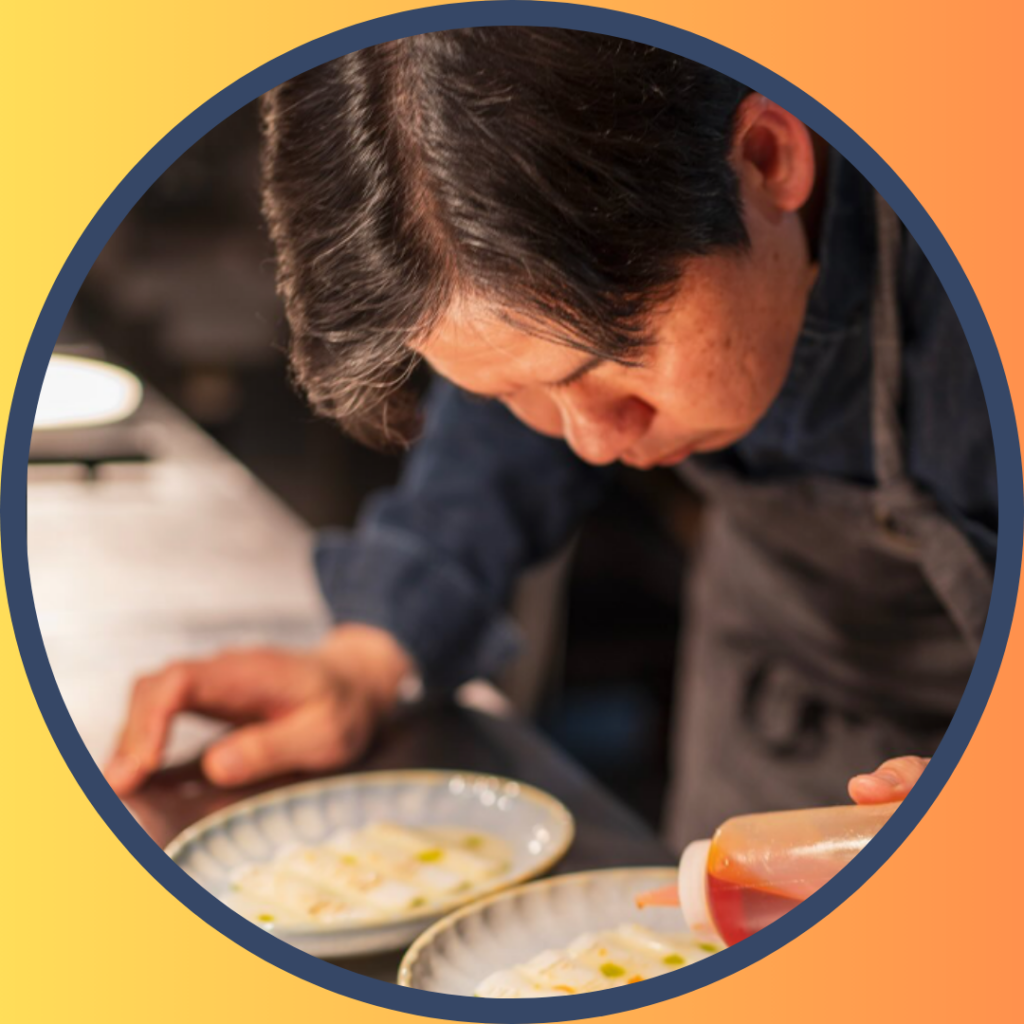
SOT’s Chef/Owner Alex Kwon puts it simply: “It’s in the spices and, honestly, the soy sauce. Soy sauce is my favourite ingredient.” Of course, as is the case with Korean food, nothing is that simple. In fact, three types of soy sauce contribute to the umami of Korean dishes, including soup soy sauce (guk-ganjang), which is extremely salty and light in colour; regular/dark mixed soy sauce (jin-ganjang) which is richer, darker and slightly sweet with a high heat tolerance; and brewed soy sauce (yangjo-ganjang), which is naturally fermented 100 per cent from soybeans and wheat.
Chef Roy Oh of Roy’s Korean Kitchen, says it’s a unique sense of balance that defines Korean cuisine. “The balance comes through contrast. You’ll often find soft alongside crunchy, sweet with salty, spicy balanced by cooling elements and hot dishes served with cold accompaniments,” he says. “Every dish has its own role, but together they create something that’s greater than the sum of its parts. That’s what makes Korean food so satisfying.”
Why Calgary? Why Now?
In addition to the explosion of Korean culture in our city, local chefs feel Calgary is in the perfect place in its own culinary evolution to embrace Korea’s offerings.
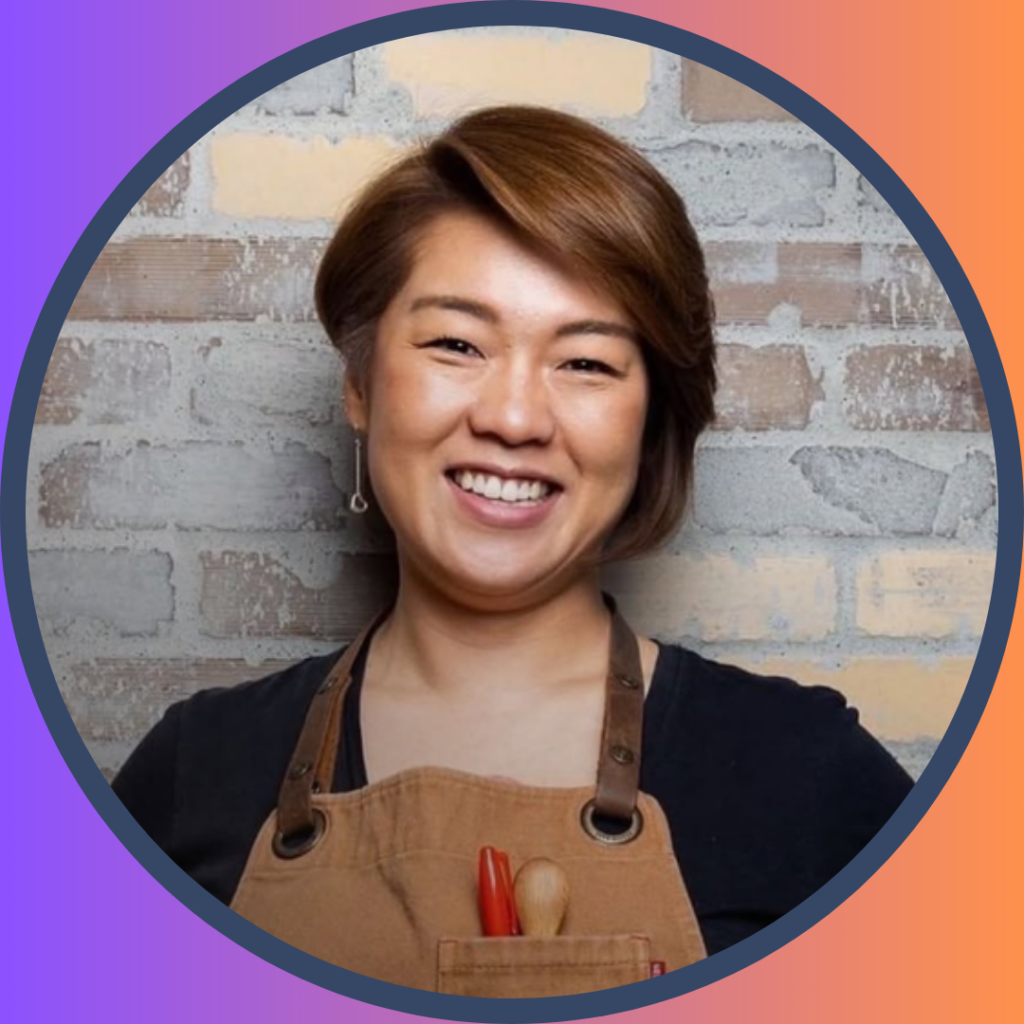
“I think Korean food has finally got its spotlight. K-pop, Korean dramas and social media have helped people discover it,” says SAIT culinary instructor and award-winning chef, Jinhee Lee. “But I also think people today are much more curious and adventurous about different cultures and flavours.”
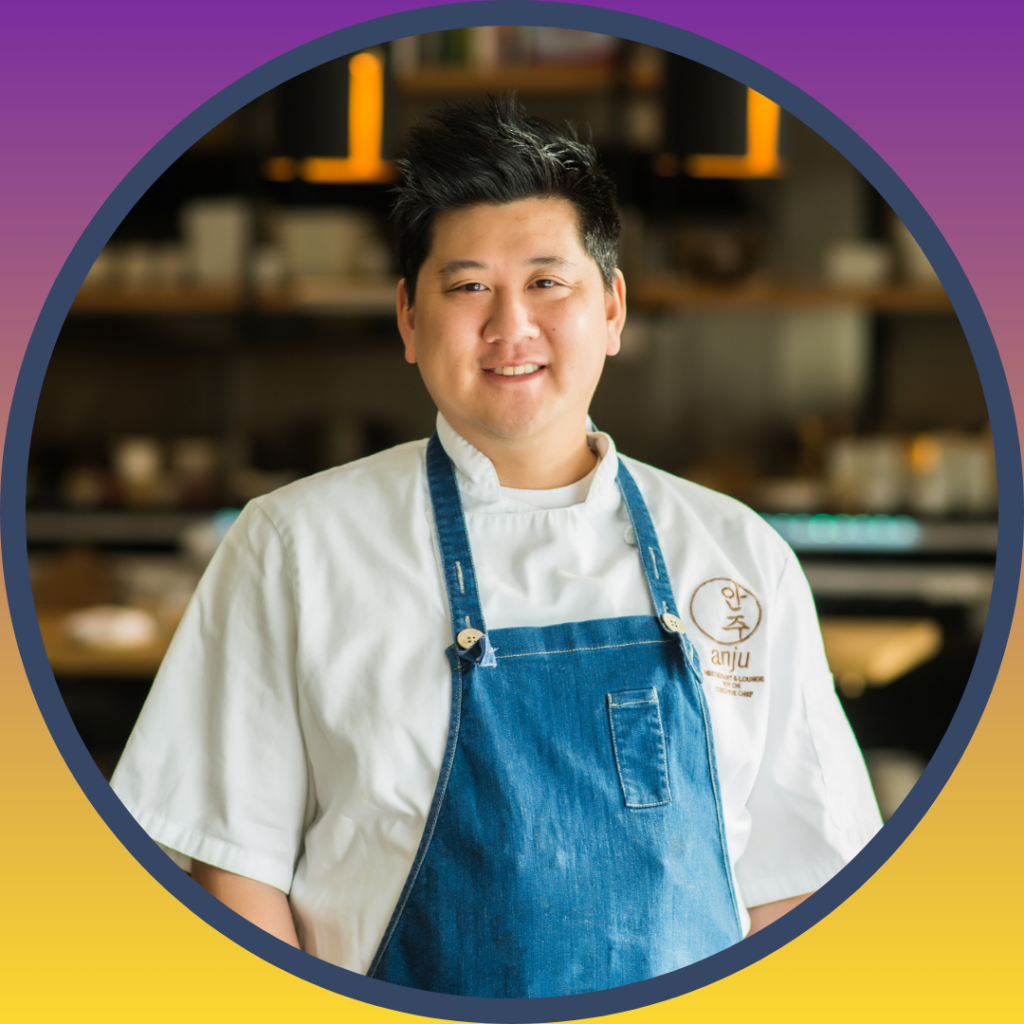
Oh was one of the original purveyors of Korean cuisine in Calgary having opened his groundbreaking restaurant, Anju, in 2008. He says the change has been significant.
“It’s been incredible to watch,” he says. “When I first started, Korean food was still relatively niche. Most people knew barbecue and maybe bibimbap, but that was about it. Today, Korean food has become part of Calgary’s mainstream dining culture. People are much more adventurous and curious. They’re looking beyond the familiar dishes and are excited to explore everything Korean cuisine has to offer.
“It’s rewarding to see how far Korean cuisine has come in Calgary and to see so many talented Korean chefs and restaurateurs contributing to that growth.” One of those chefs is Kwon, who says the ingredients available in southern Alberta make his food accessible to Calgarians while the Korean flavours and techniques make it interesting.
“This is a beef city,” he says. “But people can get tired of the same old thing. I’m inspired by the farmers’ markets and using what’s fresh and available to put our own spin on things and invite people to try something a little different.”
Jacob Lee also cites Alberta beef as a staple in his kitchen.
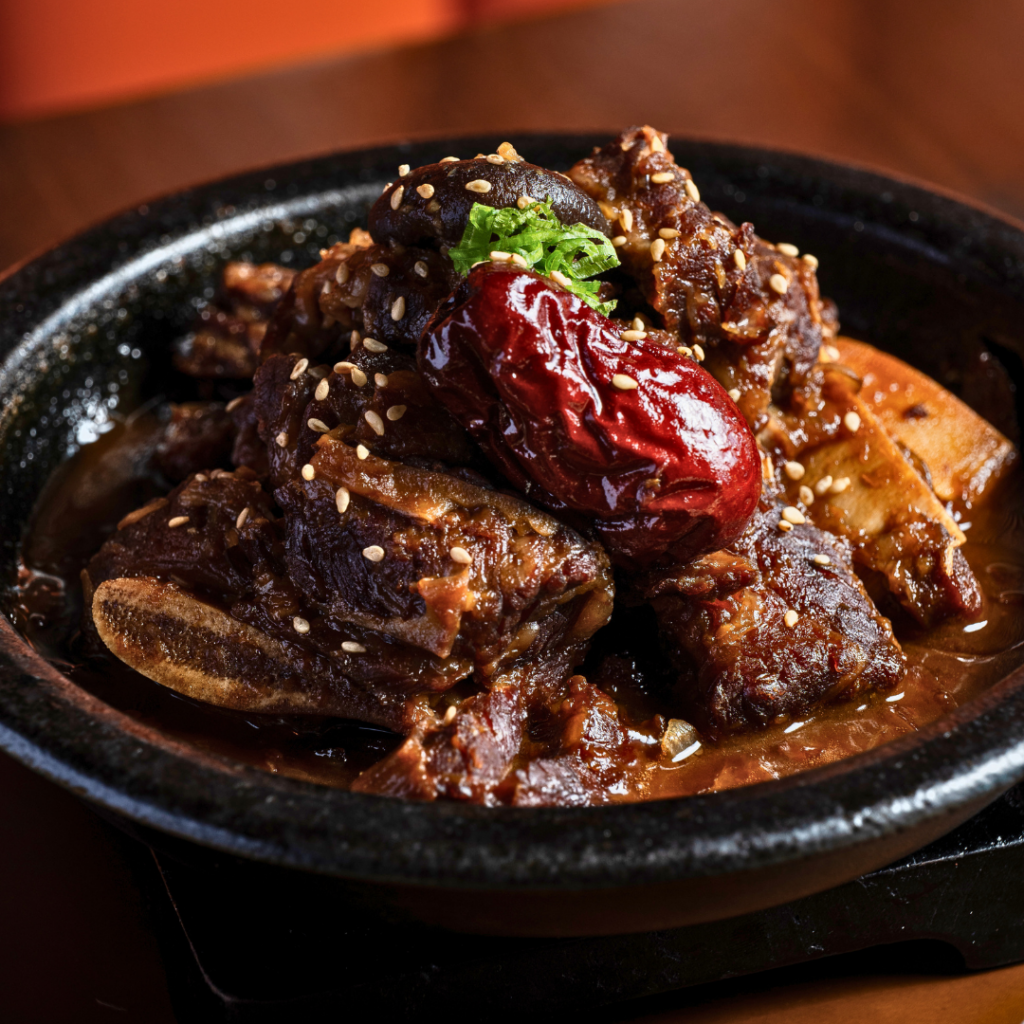
“Calgarians do love their meat,” he says. “And when that meat is complemented using Korean sauces and spices, it’s very well received.” In fact, Lee made his spectacular galbi jjim (braised beef short ribs) this year at the Taste of Stampede where he participated as a demonstration chef.
What’s Next
With innovation happening in these and other kitchens around the city, Calgary’s love affair with Korean food has only just begun.
“I think we’re just getting started,” says Oh. “Korean food has become mainstream, but I think the next stage is even more exciting. We’ll see more regional Korean cuisine, more chef-driven concepts and more restaurants that combine Korean traditions with Canadian ingredients and local influences.”
Jinhee Lee agrees.
“It’s not just a trend—it’s becoming part of Calgary’s food culture,” she says. “What makes me happiest is seeing people from different backgrounds discover Korean food and make it part of their own memories and traditions. Twenty years from now, people probably won’t remember every ingredient on the plate, but they’ll remember who they were with, what they laughed about and how that meal made them feel. If Korean food can help create those memories and bring people together around one table, then I think we’ve done something really special.”
We’ve been eating, cooking and writing about Korean food in Calgary for years. Dig into more restaurants, recipes and stories from our archives.
Best Korean BBQ and Restaurants in Calgary
Roy’s Korean Kitchen
Korean Fried Chicken
Korilla Korean BBQ
Hankki Korean Street Food
The Seoul of Inglewood
Gochujang Grilled Pork Tenderloin (recipe)
Beyond Bulgogi
While the breadth and depth of modern Korean cuisine couldn’t be touched in a single article, we’ll attempt to break it down into bite-sized pieces for the average Calgary foodie.
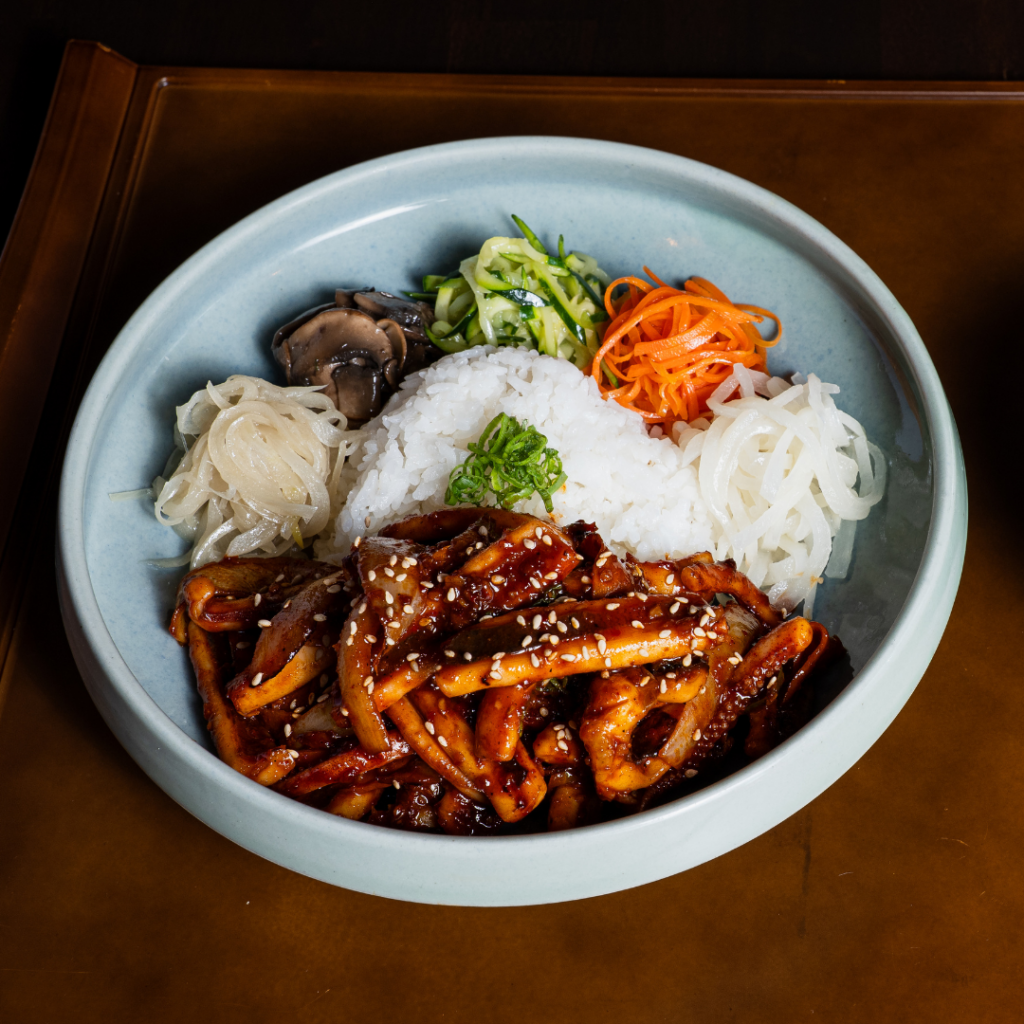
Barbecue: Gogi-Gui
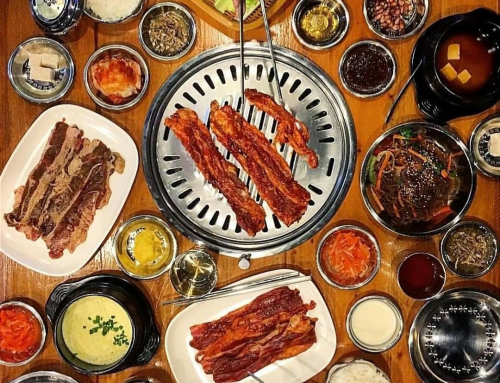
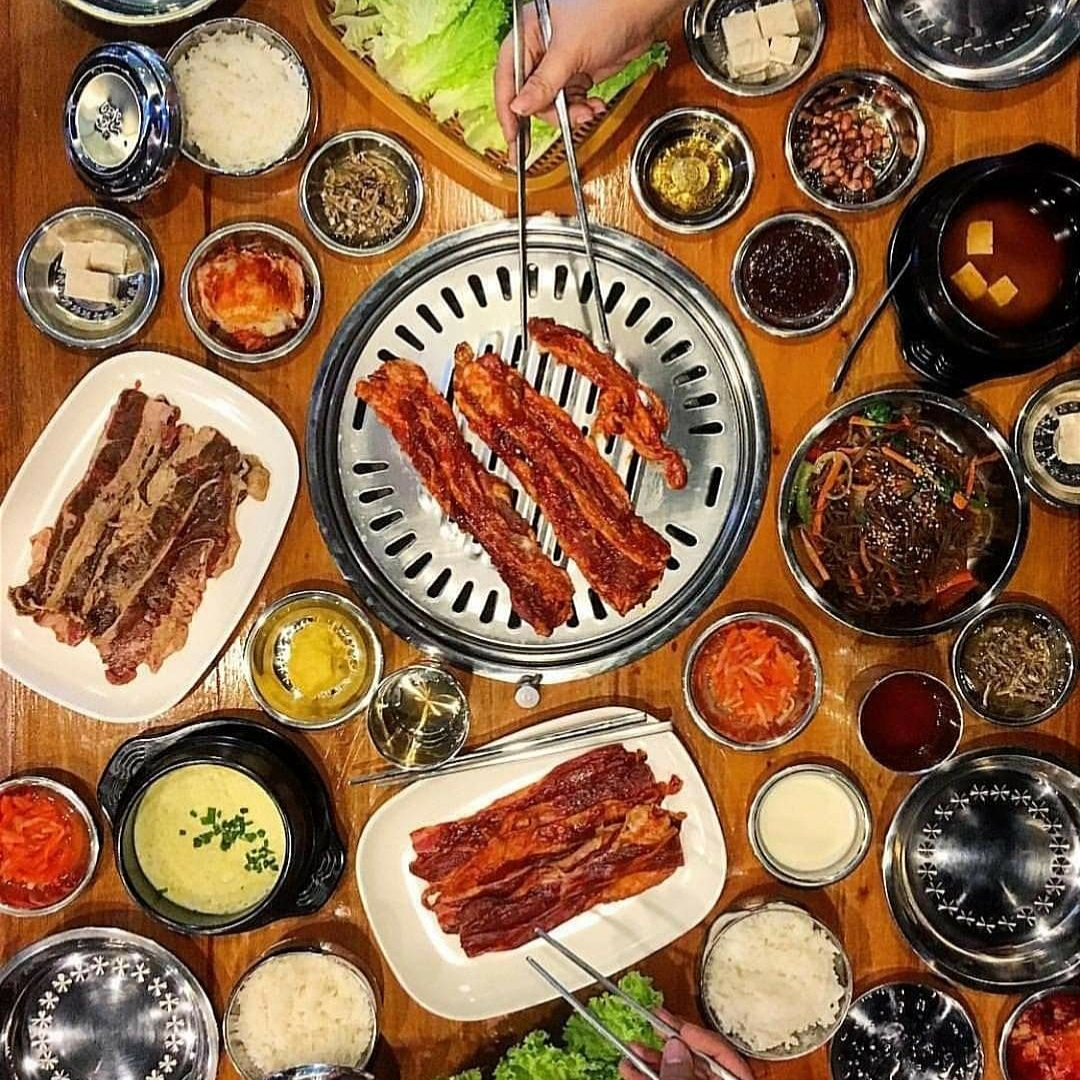
Whether it’s the super-fun do-it-yourself barbecue house or a more upscale, chef-driven experience, this is where meat meets fire. Popular dishes include
bulgogi (sweet, marinated beef), samgyeopsal (thick slices of unmarinated pork belly) and galbi (tender beef or pork short ribs in a soy-based marinade).
Chef-led
Búl Dining Room and Bar | 1244 17th Ave. S.W.
Table Grill
Cheongdam Korean BBQ | 875, 19587 Seton Cr. S.E. | 5130, 4 Royal Vista Way N.W.
Stews and Soups: Jjigae and Guk
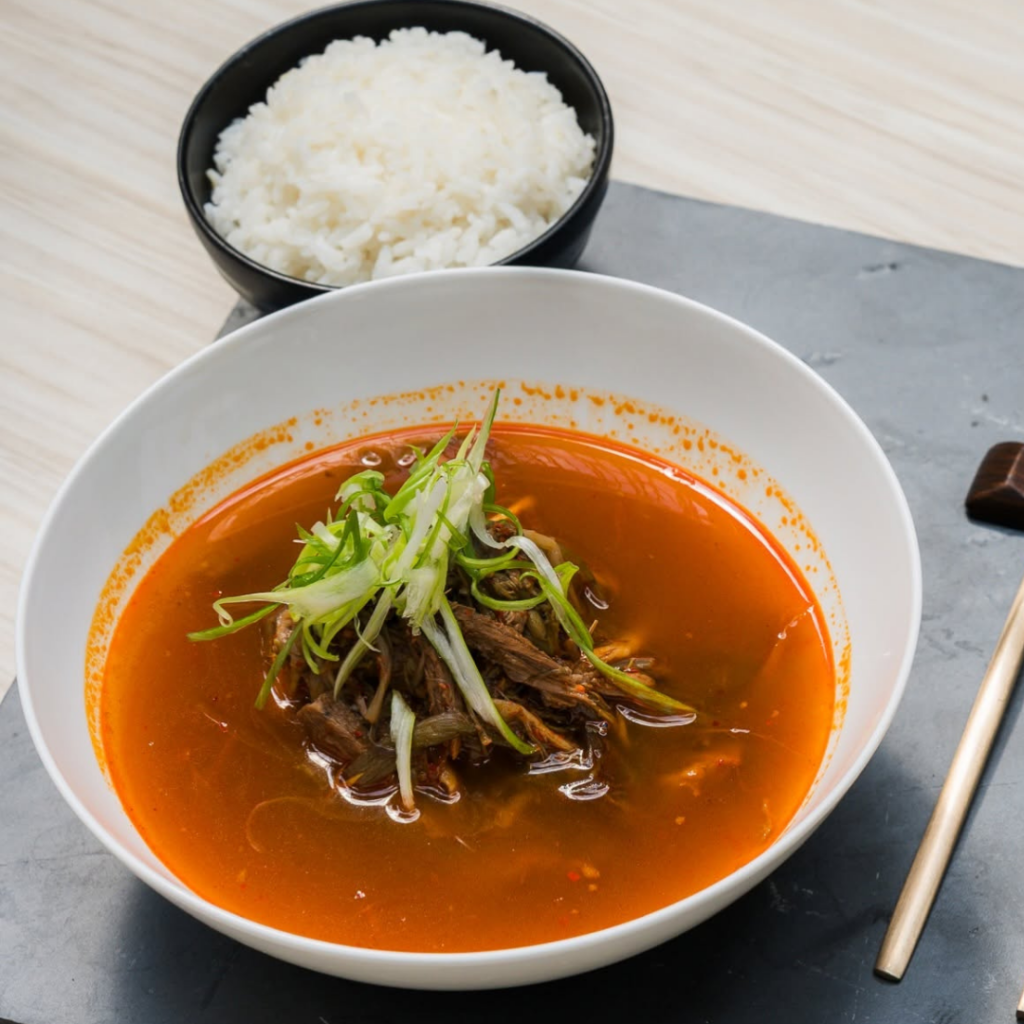
Korean soups and stews are core staples of Korean cuisine, generally split into guk (clear, lighter soups), tang (heavier, long-simmered soups), and jjigae (rich, heavily seasoned, bubbling stews). They are served piping hot alongside a bowl of steamed rice and shared side dishes. Popular dishes include kimchi jjigae (hot, sour, and spicy stew made with aged kimchi and pork), sundubu jjigae (soft tofu stew with seafood or meat and a spicy broth) and samgyetang (nourishing whole-chicken soup stuffed with ginseng, garlic and rice).
Roy’s Korean Kitchen | 170 N, 8500 Macleod Tr. S.E.
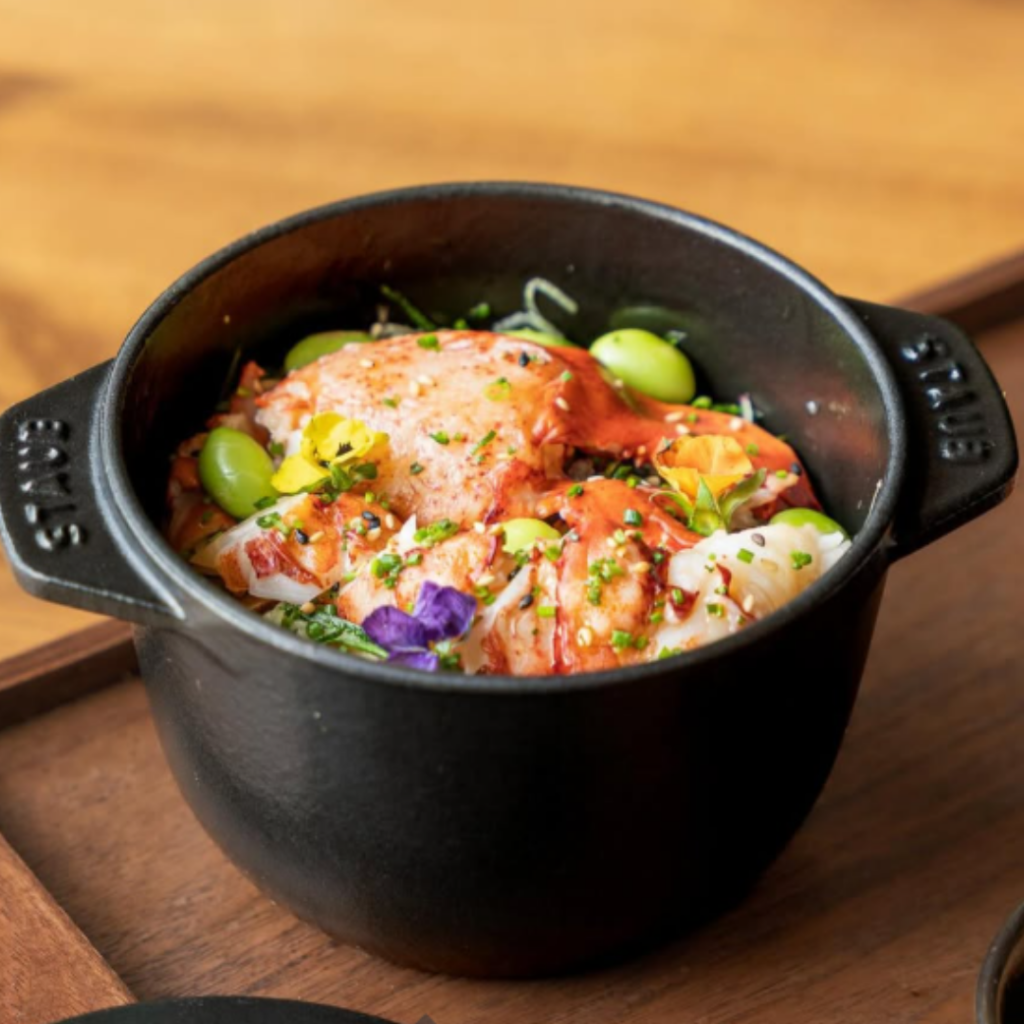
Rice and Noodles: Bap and Guksu
If you’re craving carbs, Korean cuisine has you covered with grains having formed the foundation of the country’s diet since ancient times. Popular dishes include bibimbap (literally “mixed rice”), jajangmyeon (thick wheat noodles covered in a dark, savory black bean sauce) and naengmyeon (chewy buckwheat noodles served in a cold, refreshing broth).
Rice
SOT | 1216 9th Ave. S.E.
Noodles
Han Corea | 118, 6008 Macleod Tr. S.W.
Street Food: Gilgeori Eumsik
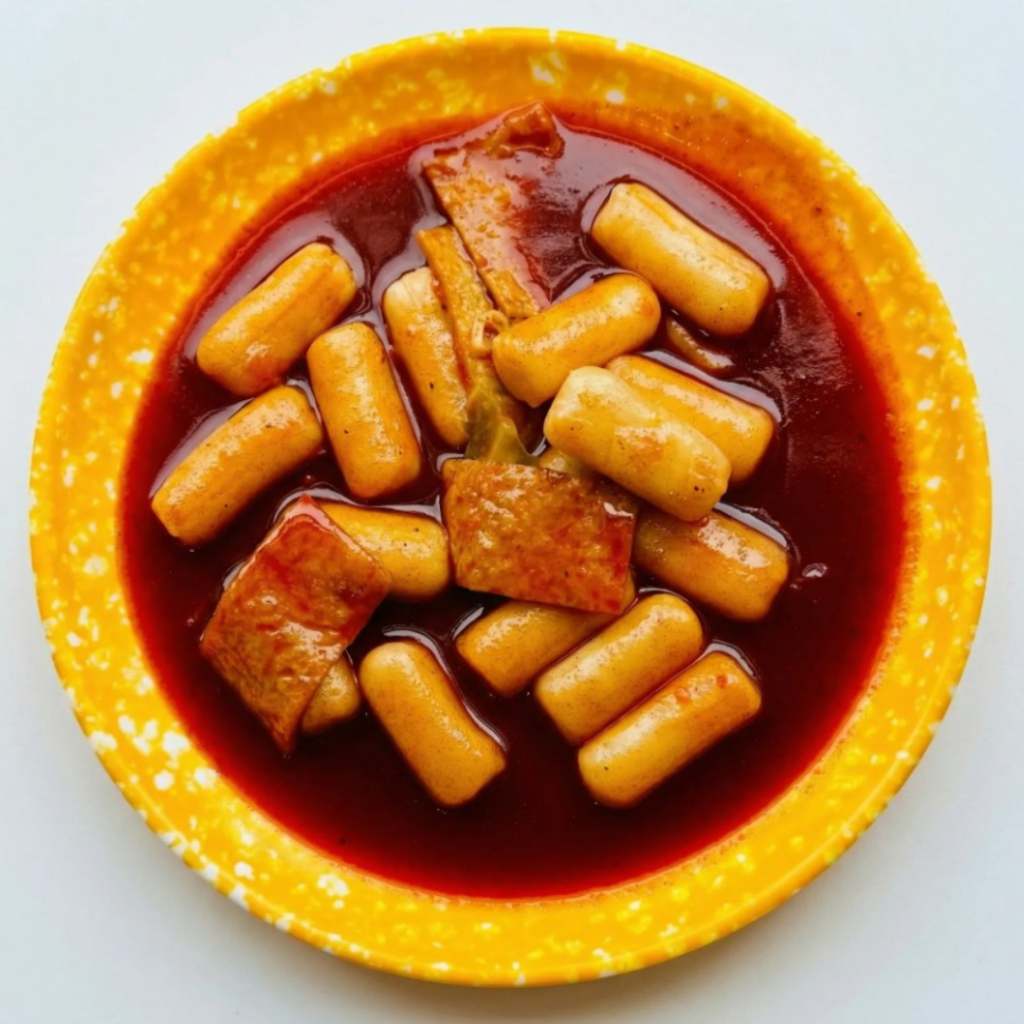
With a talent for creating finger food for the ages, Korean street food is not just delicious, it’s a core feature of modern Korean culture. From the iconic chimaek tradition of enjoying cold beer and fried chicken with friends after work to wandering a vibrant outdoor market, eat-as-you-go treats are a highlight of Korean culture and cuisine. Popular dishes include tteokbokki (chewy rice cakes cooked in a fiery red chili sauce), fried chicken (extra crispy chicken pieces coated in sweet garlic or spicy glaze) and gimbap (rice, vegetables and meat wrapped in dry seaweed sheets).
Tteokbokki
Sso Yummy | 117, 128 2nd Ave. S.E.
Fried Chicken
K Town Korean Fried Chicken | 919 Centre St. N.W.
Gimbap
Mimi Gimbap | 214 4th St. N.E.

Leave A Comment