



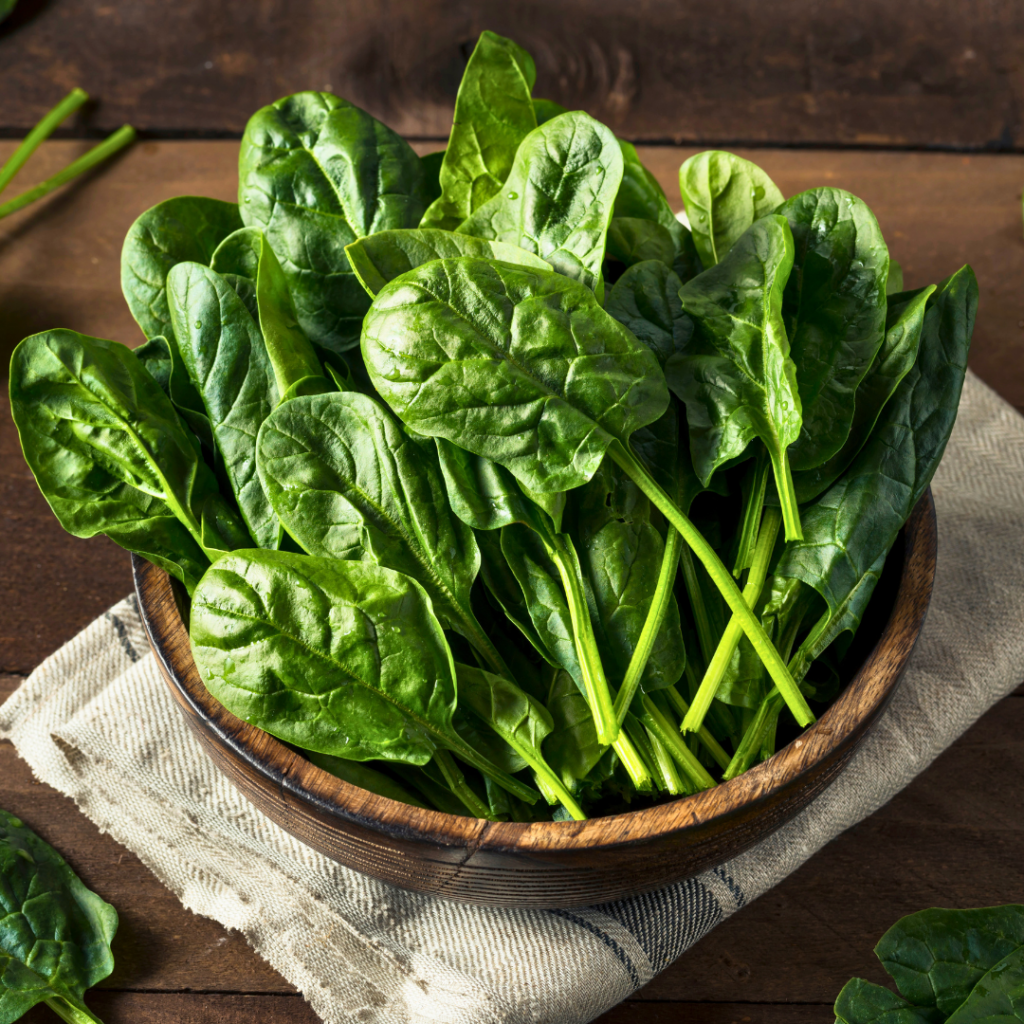
Related to amaranth, beets, Swiss chard and the herb epazote, spinach is a member of the Goosefoot family and, like so many greens, gets a wholly undeserved bad rap.
The admonition ‘eat your greens, they’re good for you’ is often all a child needs to hear to form a life-long aversion. And they have good cause. Dull, overcooked and under seasoned spinach puts everyone off.
It’s true, spinach is good for you — low in calories and nutrient-dense, it boosts eye health, lowers blood pressure and promotes bone health. It improves digestive function, is rich in antioxidants and supports cognitive function, but all that palaver doesn’t mean much to a five year old. The good news is that spinach can appear on our plates in many different guises — soups, salads (warm or cold), sandwiches, sautés, smoothies, fritters, pasta and pasta dishes… the list goes on.
While cooked spinach provides higher levels of nutrients like iron, calcium and vitamin A compared to raw spinach, it might be a better plan to introduce it to picky eaters raw in the form of salads and sandwich fillings. Even if some vitamins and minerals are lost in the cooking process, one serving of cooked spinach often contains a much higher volume of spinach than its leafy, uncooked counterpart to make up for any lost nutritional value.
Despite the dictum ‘fresh is best’, frozen spinach has just as many health benefits as fresh and is often less expensive. Frozen spinach is also handier and easier to store. Blend fresh or frozen spinach with berries, bananas or pineapple, plain Greek yogurt and chia seeds to make a healthy and delicious smoothie. Bake fresh spinach, artichoke hearts, mayonnaise, Parmesan and Monterey Jack cheese together for a classic dip.
When choosing fresh spinach, either bags or bunches, look for vibrant green leaves with no signs of yellowing, wilting or sliminess. Once you open a bag or plastic container of baby spinach, place the leaves in a new bag or container along with paper towels to absorb any extra moisture. When preparing raw bunch spinach, thoroughly wash (more than once) in cold water in order to get rid of all the grit. This holds true for all field-grown greens. This holds true for all field-grown greens. Dry and refrigerate your spinach within 2 hours of purchase and store separately from any raw meat, poultry or seafood.
My favourite, but harder to find, spinach is the meatier Savoy (Bloomsdale) with its curly, crinkled, bouncy, dark-green leaves. It has a meatier texture and flavour and is ideal for sautéing. More commonly found, however, are the smooth- or flat-leaf varieties. The spade-shaped leaves are lighter and work well for salads and sandwiches. Leaf size is not indicative of quality, but the small tender leaves are often considered best for eating raw or in salads, while the larger, thicker leaves are more suitable for cooking.
Deborah Madison, our vegetarian doyen, inspired this crostini-like antipasto or snack. Toast or grill 4 slices of rustic sourdough bread and lightly rub one side with a clove of garlic. Cover the slices of toast with caramelized balsamic onions, lightly sautéed spinach, crumbled chevre or goat cheese and top with slices of roasted red pepper. Drizzle with a good fruity olive oil and dig in.
You may have your own recipe for caramelized onions, but if you don’t, they’re simple to make.
Peel and halve 2lbs of white or yellow onions and slice. The onions ‘melt’ over the long cooking time so I like slices about ¼ inch or thicker. Melt 2 tbsp butter and 2 tbsp oil in a cast iron pan (or a heavy bottomed skillet) with high sides over medium heat. Add the onions, turning them well with tongs. Toss and stir the onions every 5 minutes for about 20 minutes or until the liquid released from the onions begins to sizzle and starts to cook away. Lower the heat and continue to cook, stirring often, until the onions are golden. This can take 30 minutes or more depending on how dark you like the onions. Add 2-3 tbsp balsamic vinegar and season with salt and lots of freshly ground black pepper. Cool and store in the fridge for up to a week or more.











Leave A Comment